Carney’s Conflict Screen Is Being Run Inside His Own Chain of Command
The Ethics Commissioner says his office can set up a screen, but it does not administer the Prime Minister’s screen. That makes public receipts essential.
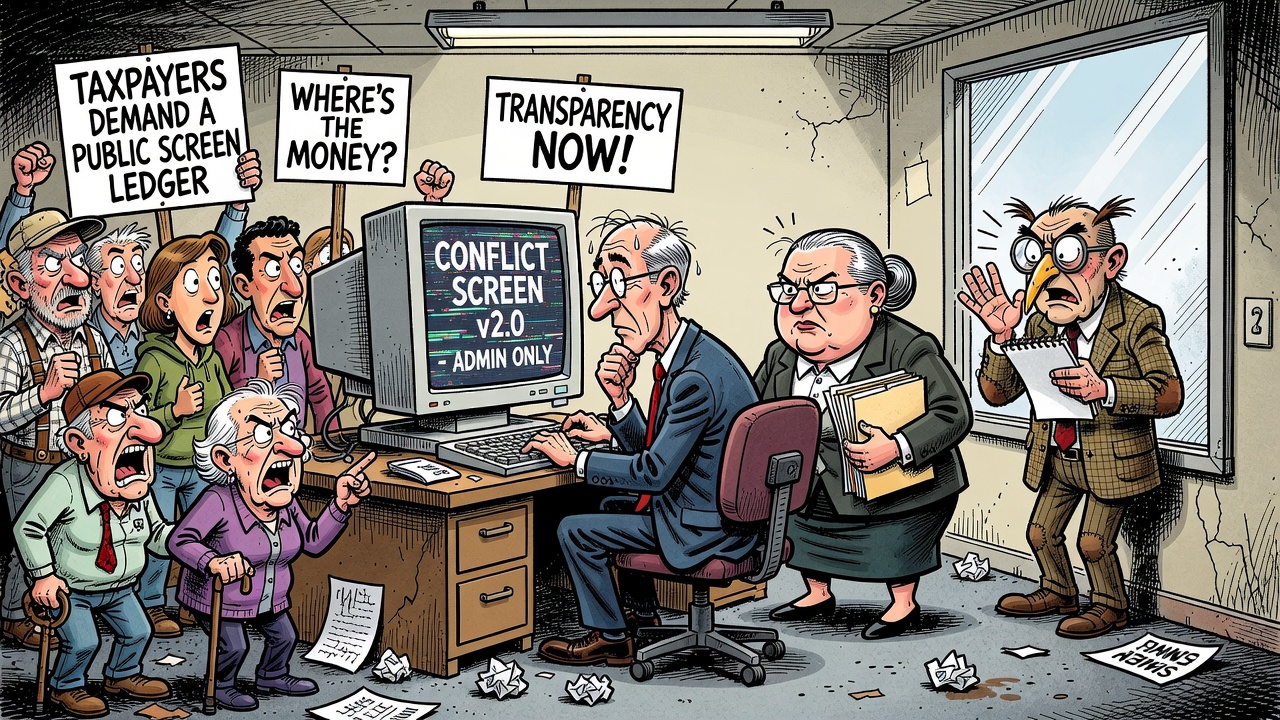
Ethics Commissioner Konrad von Finckenstein gave Canadians an important clarification on October 28: the watchdog is not the day-to-day operator of Prime Minister Mark Carney’s conflict-of-interest screen. His office can set up a screen, but “we do not, however, administer them,” he told the House ethics committee in prepared remarks.
That distinction matters. A screen is supposed to keep a public office holder away from files where a conflict could arise. But for the Prime Minister, the Commissioner said the screen is administered by Carney’s Chief of Staff and the Clerk of the Privy Council. In other words, the people managing the firewall sit inside the executive chain of command, while the independent watchdog remains available for advice rather than running the process.
The Commissioner also confirmed why a screen was needed even after Carney put assets into a blind trust. Carney still knows what assets are in that trust. The screen is therefore designed to prevent conflicts involving Brookfield Asset Management, Brookfield Corporation, Stripe Inc., and companies owned or controlled by them. That is not a minor paperwork issue. It covers names tied directly to the Prime Minister’s pre-office financial life and to policy areas where federal decisions can move large amounts of value.
The official explanation is that screen administrators ensure Carney does not see files or attend meetings tied to the named companies. The Commissioner said that, in effect, “they handle his schedule.” But a schedule-control system only earns public confidence if Canadians can see enough of the audit trail to know when it was triggered, who made the decision, which alternate decision-maker handled the file, and what was withheld for legitimate reasons such as cabinet confidence or national security.
Parliament has already wrestled with this problem. House ethics committee minutes show MPs debated requiring the Privy Council Office to provide recurring reports on each time an assessment was undertaken relating to the Prime Minister’s screen, with public posting and quarterly appearances by the Commissioner. That is the right direction, but the standard should be clearer: publish a usable public ledger, not a fog of selective summaries.
This is not an accusation that Carney broke the law. It is a demand that the public be able to verify how the law is being protected. Conservatives should press this because it is basic responsible government: when the Prime Minister’s conflict firewall is administered by his own senior apparatus, transparency is not optional. It is the substitute for blind trust.
- Office of the Conflict of Interest and Ethics Commissioner: Opening remarks before the House of Commons Standing Committee on Access to Information, Privacy and Ethics
- House of Commons ETHI Committee: Minutes — Meeting No. 42
- iPolitics: PM Carney set to face MPs before House vote on Conservative call for him to appear before Finance Committee
- Democracy Watch brief to ETHI: Submission on Prime Minister conflict-screen transparency
This article focuses on the administration and transparency of the Prime Minister’s conflict-of-interest screen, based on public committee records and the Ethics Commissioner’s prepared remarks.